Since February 28, the US and Israel have been bombing Iran. The world is discussing oil prices, stock markets and missile strikes. What almost nobody is talking about: the real bill is yet to come, and it won’t land in Europe or America first. It will land on the fields of South Asia and in supermarkets around the world.
The Strait That Blocks Everything
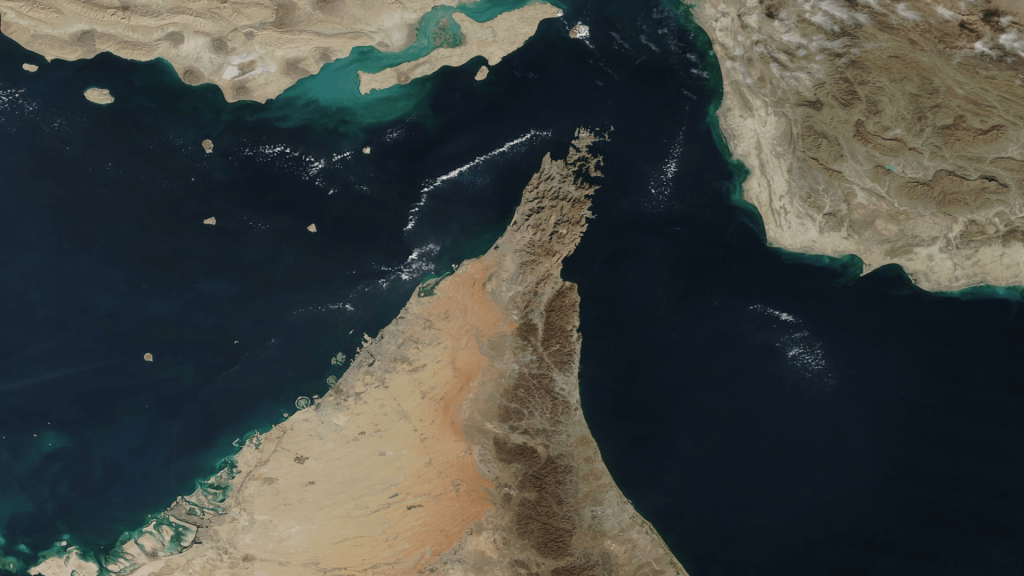
The Strait of Hormuz is just 54 kilometers wide at its narrowest point. One third of the world’s seaborne fertilizer trade passes through it. Since the war began, it has been virtually closed.
The problem isn’t only that oil and gas can’t get through. The problem is what they’re used to make: fertilizer. LNG from Qatar is the primary raw material for urea production, the world’s most widely used nitrogen fertilizer. QatarEnergy, which supplies 20% of the world’s LNG, has declared force majeure since the war began. No LNG, no urea. No urea, no harvest.
India: The Window Is Closing
India is the most concrete example of what is happening right now. The country is the world’s largest importer of urea, the world’s largest rice exporter, and the second-largest producer of wheat, cotton and sugar. It sources roughly 63% of its nitrogen fertilizer from Gulf states.
Since the war began, Indian fertilizer plants are running at only 70% capacity. Several facilities, including those of India’s largest producer IFFCO, have partially halted production. Restarting a paused plant takes up to a month, even if LNG were to flow again tomorrow.
The window is concrete and narrow: India’s monsoon planting season begins in June. DAP fertilizer is applied directly at sowing. India currently holds reserves of roughly 1.8 months of urea and 3.4 months of DAP. That sounds comfortable. It isn’t. If the war continues through May, the planting season begins with half-empty stockpiles.
The Global Chain Reaction
India is not alone. Fertilizer plants in Bangladesh and Pakistan have also reduced or completely halted production. Egypt, itself an important producer, has lost its gas imports. Brazil, which depends heavily on imported nitrogen and phosphate fertilizer for its soybean production, is already feeling the shortages.
There is a second effect that is barely being discussed: sulfur. Sulfur is an essential component of phosphate fertilizers like DAP and is a byproduct of oil and gas processing. China sources over 50% of its sulfur imports from the Middle East, Indonesia nearly 70%. When energy shipments through Hormuz collapse, sulfur supply collapses with it, taking down another pillar of the global food chain.
Oxford Economics has already raised its global fertilizer price forecast for Q2 2026 by 20%. Nitrogen prices could nearly double if the war continues, according to Morningstar.
What This Means for the West
Europe and North America are not the main victims, but they are not immune either. US importers have already seen urea prices at the port of New Orleans rise more than 25% since late February. The president of the American Farm Bureau Federation has written to President Trump warning of a “production shock” that threatens national security.
In sub-Saharan Africa, where fertilizer is already barely affordable for many smallholder farmers, even a moderate price increase could further reduce application and cut yields. These are the people who will feel this first and hardest.
What Happens If the War Continues Until June
This is the critical question, and the answer is uncomfortable. Fitch Ratings explicitly warns that a prolonged war would fundamentally destabilize the nitrogen fertilizer market. The planting season in the northern hemisphere cannot be postponed. Farmers who cannot access affordable fertilizer in June will either plant less or plant without sufficient inputs. Both outcomes mean lower yields.
The Carnegie Endowment for International Peace puts it plainly: fertilizer shocks do not register with the same immediacy as oil shocks. Fuel prices change overnight. Harvest yields reveal themselves months later. Central banks focused on energy-driven inflation could significantly underestimate the contribution of fertilizer scarcity to overall prices.
The Iran war is not a regional event. It is a global supply chain stress test whose results will only become visible at harvest time. If the Strait of Hormuz remains closed until June, the world will not feel it primarily at the pump. It will feel it on the plate, and first among those who can least afford it.
Sources:
- Carnegie Endowment for International Peace – Fertilizer isn’t getting through the Strait of Hormuz
- The National / Fitch Ratings – Global fertiliser supply at risk
- Business Standard / Bloomberg – Indian urea producers shut plants
- Zerodha Daily Brief – The Iran war and India’s fertilizer problem
- Pakistan Today / Reuters – Fertilizer price surge threatens farmers globally
- Detroit News / Bloomberg – Iran war latest blow for Europe’s industrial backbone
- Energy Connects – Indian urea producers shut plants as Iran war cuts LNG flows
Stay ahead of geopolitical developments and their economic consequences: Get in-depth analysis directly to your inbox. Subscribe to our newsletter.