

Donald Trump is pushing to undo one of the most important legal foundations of U.S. climate regulation.
At the center of this effort is the repeal of the EPA’s 2009 Endangerment Finding – the formal determination that greenhouse gases threaten public health and welfare under the Clean Air Act.
If that finding is eliminated, the Environmental Protection Agency would lose much of its authority to regulate carbon dioxide, methane, and other climate pollutants from cars, power plants, oil and gas operations, and heavy industry.
In practical terms, this would mean rolling back the federal government’s ability to limit climate pollution from major industrial sources.
This is not a minor administrative change.
It is an attempt to remove the legal trigger that makes greenhouse gas regulation possible in the first place.
What That Means for Industry, and for Everyone Else
Supporters argue that repealing the finding reduces regulatory burdens on American businesses. It would ease emission standards, limit federal oversight, and potentially lower compliance costs for certain sectors.
But the same action would also reduce the federal government’s ability to address climate driven risks that are already affecting Americans.
Extreme heat is straining power grids.
Wildfires are displacing communities.
Flooding is damaging infrastructure.
Hurricanes are intensifying.
Greenhouse gases do not disappear because the legal framework governing them changes.
The atmosphere does not respond to deregulation.
We Have Seen This Story Before
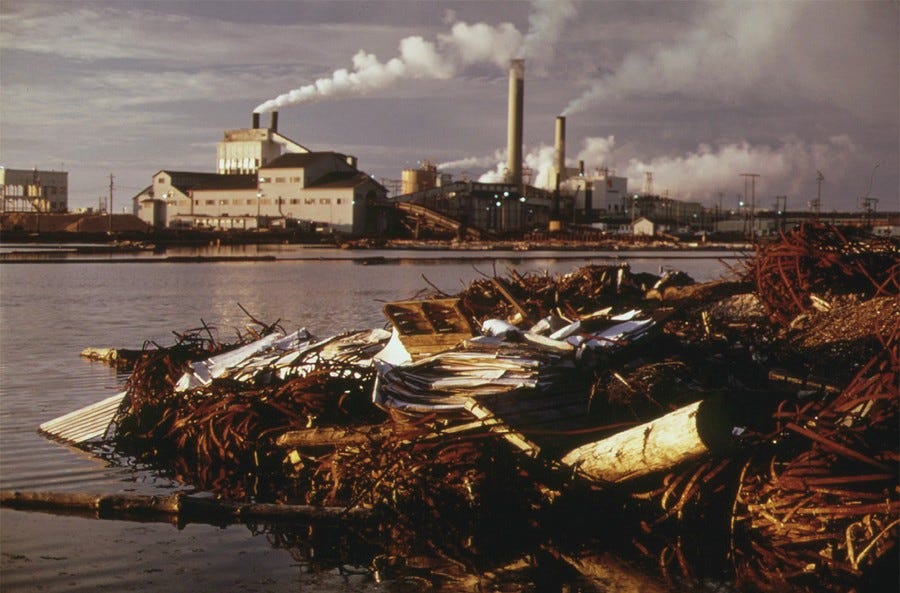
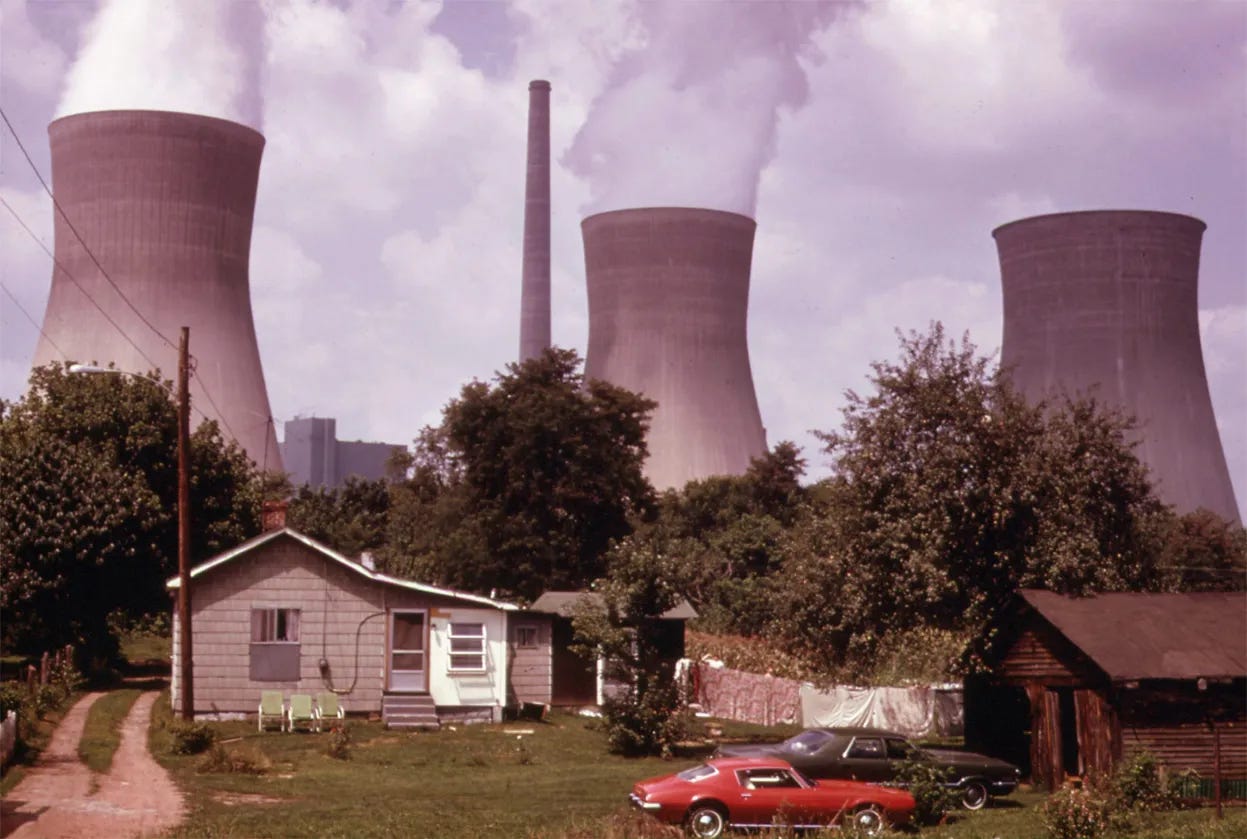
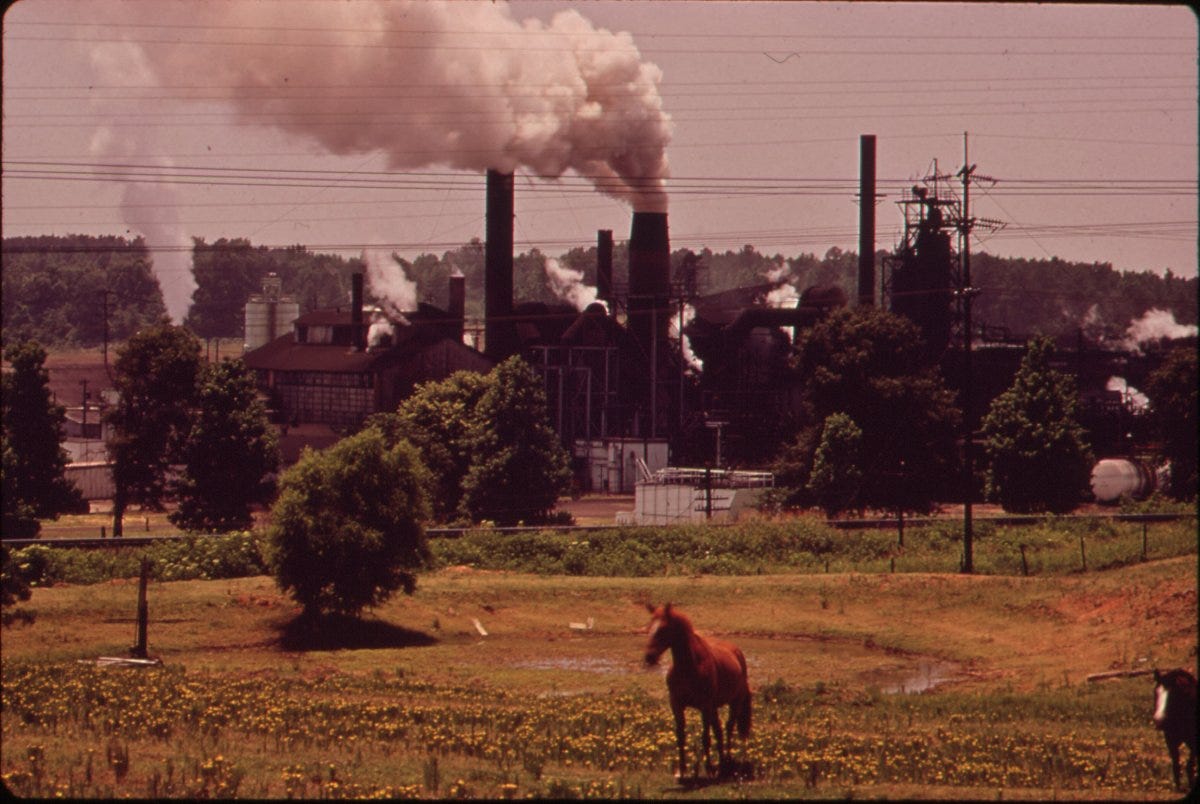
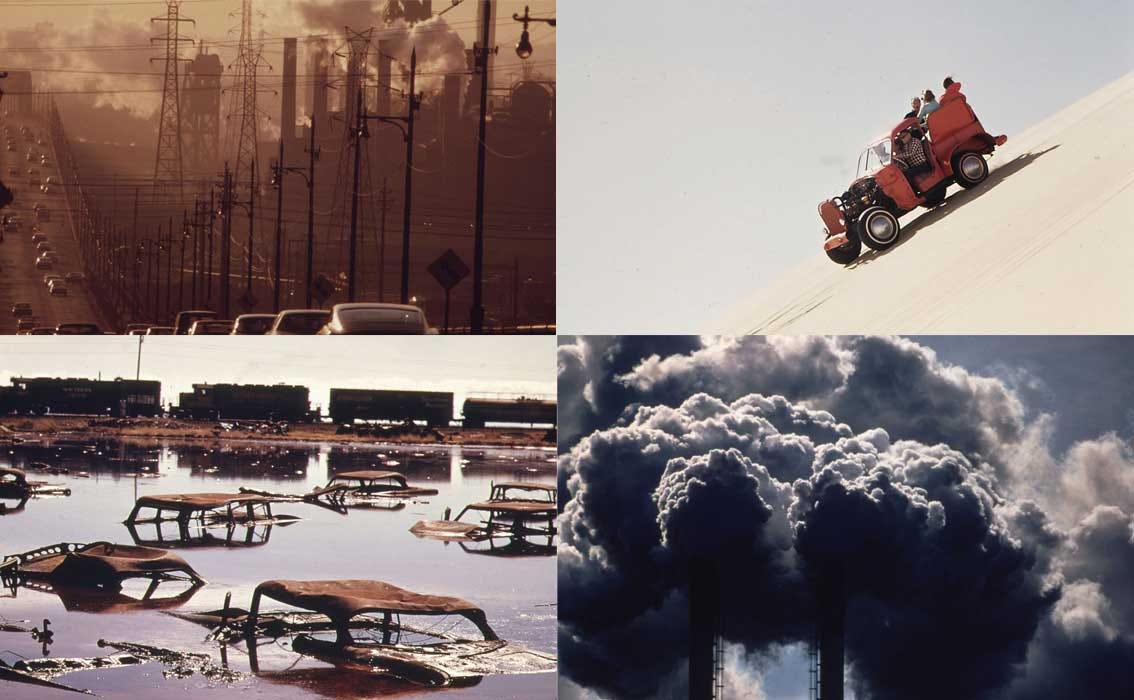
In the early 1970s, the newly formed United States Environmental Protection Agency launched a photography project called Documerica.
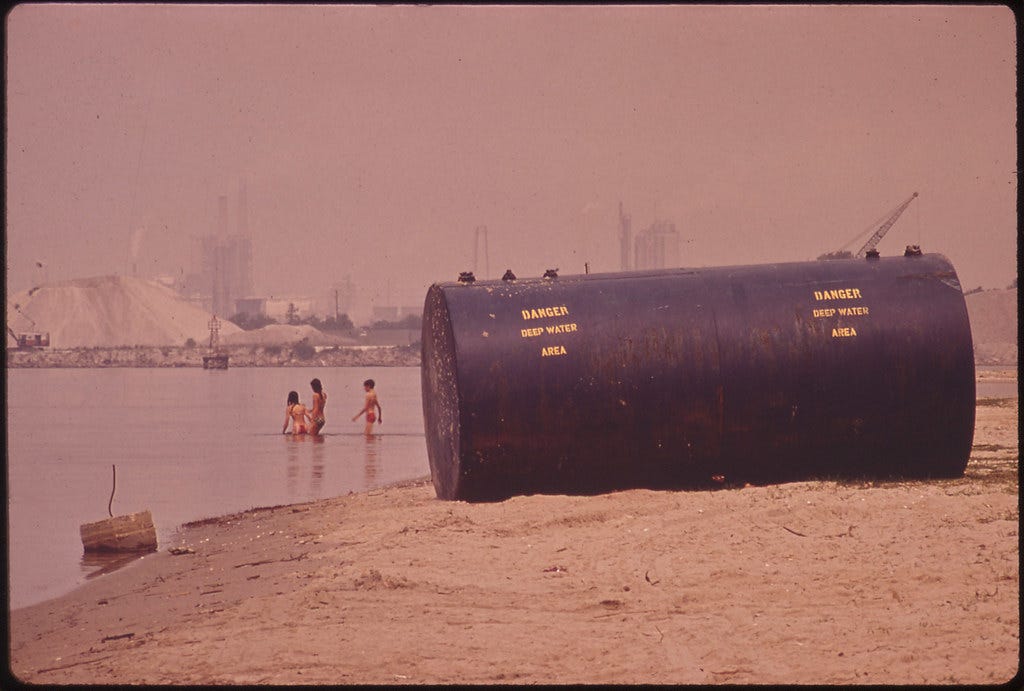
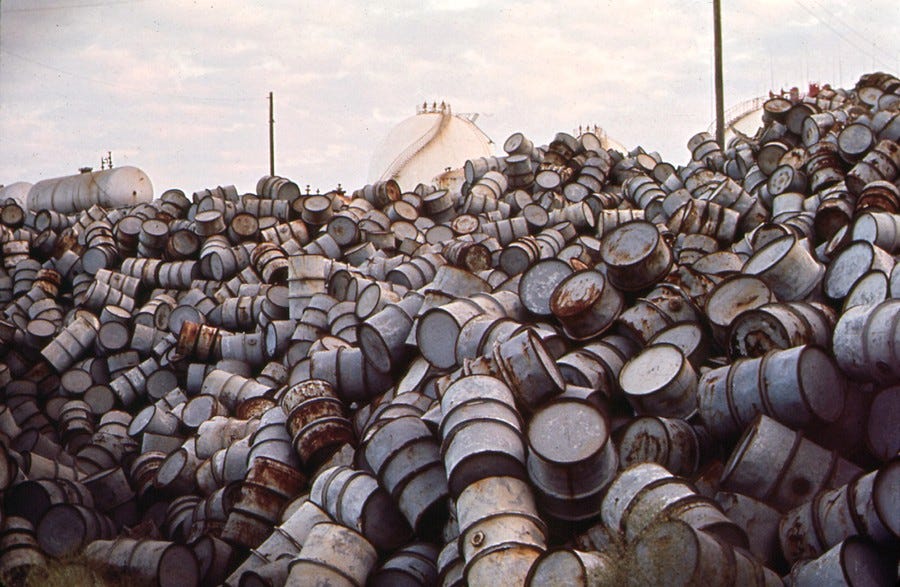

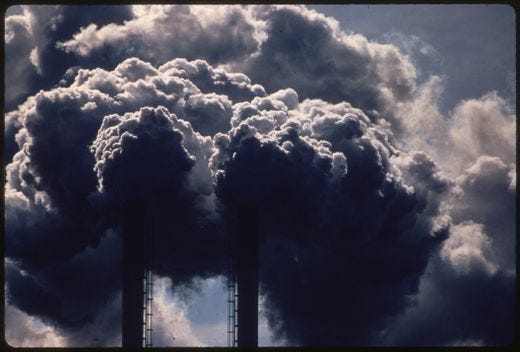
Photographers documented smog thick enough to obscure city skylines, rivers contaminated by industrial discharge, and coal plants releasing unfiltered smoke into the air.
Those images did not weaken environmental law.
They helped strengthen it.
At the time, Americans across party lines agreed that industrial pollution required federal oversight. The Clean Air Act was reinforced. The EPA’s authority expanded. Scientific findings were translated into regulation.
The Endangerment Finding emerged decades later from the same principle: when evidence shows that pollution harms public health, the government has a responsibility to act.
A Structural Shift, Not a Policy Tweak
Repealing the Endangerment Finding would not simply adjust emission limits. It would undercut the legal basis for regulating greenhouse gases nationwide.
Vehicle standards, power plant rules, and methane controls all rely on that determination.
Removing it would mark a significant departure from the environmental framework built over the last half century.
The Core Question
The debate is not about whether industry should exist or whether economic growth matters. It is about whether the federal government retains the authority to limit pollution that scientific consensus identifies as harmful.
In the 1970s, America confronted visible industrial pollution and chose stronger regulation.
Today, the pollution is less visible but more global. It accumulates in the atmosphere rather than a single river. It traps heat instead of darkening the sky.
The evidence is not weaker than it was fifty years ago. If anything, it is stronger.
The question now is whether the country moves forward with the legal tools it created, or dismantles them in the name of deregulation.
The atmosphere will continue to respond to physics.
The only uncertainty is how the United States chooses to respond in return
What Is Being Traded
Let’s be honest about what this means.
When climate protections are stripped away, it is not the air that benefits. It is not your lungs. It is not your children’s future.
The immediate relief goes to some of the largest and wealthiest corporations on the planet.
The risk goes to everyone else.
It goes to families breathing heavier smoke.
To seniors enduring longer heat waves.
To communities rebuilding after stronger storms.
This is not an accident. It is a choice.
A choice to trade public health and long term stability for short term industrial comfort.
And history will not ask who saved on compliance costs.
It will ask who decided that American lives and futures were worth less.